
History
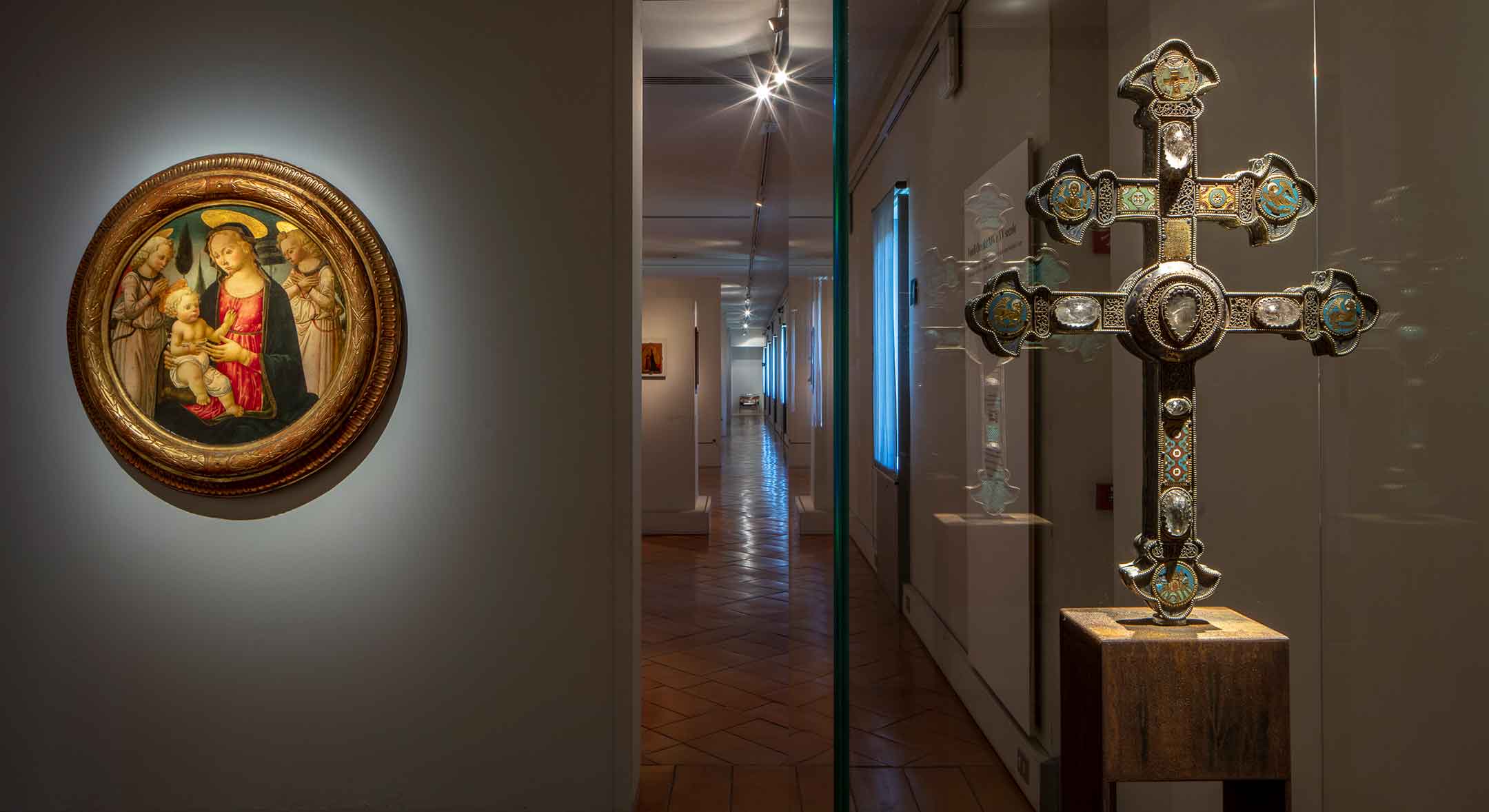
Inaugurated in 2001 by Cardinal Carlo Maria Martini, to whom it was later dedicated in 2017, the Museum is the culmination of an important project to which some of the greatest figures among the twentieth-century archbishops of Milan made a decisive contribution.
Its origins go back to an initial intuition of Blessed Ildefonso Schuster in 1931, later taken up by Cardinal Montini in 1960, who designated the cloisters of Sant’Eustorgio, one of the key sites in the history of Ambrosian Christianity, as the home of the new Museum. It would ultimately fall to Cardinal Martini, in the 1980s, to take on the difficult task of beginning the reconstruction of the cloisters, severely damaged by the bombing raids of the Second World War, a project entrusted to the Belgiojoso studio. From 1994 the Fondazione Sant’Ambrogio was charged with establishing and running the Museum: it was the Foundation’s President, Mons. Luigi Crivelli, together with its first Director, Paolo Biscottini, who opened the Museum with the idea that one of the principal aims of the new institution should be to enhance the vast artistic heritage of the Ambrosian Diocese, valued both for its specific historical and artistic significance and as testimony to an uninterrupted history of faith and Christian beauty.
Highlights
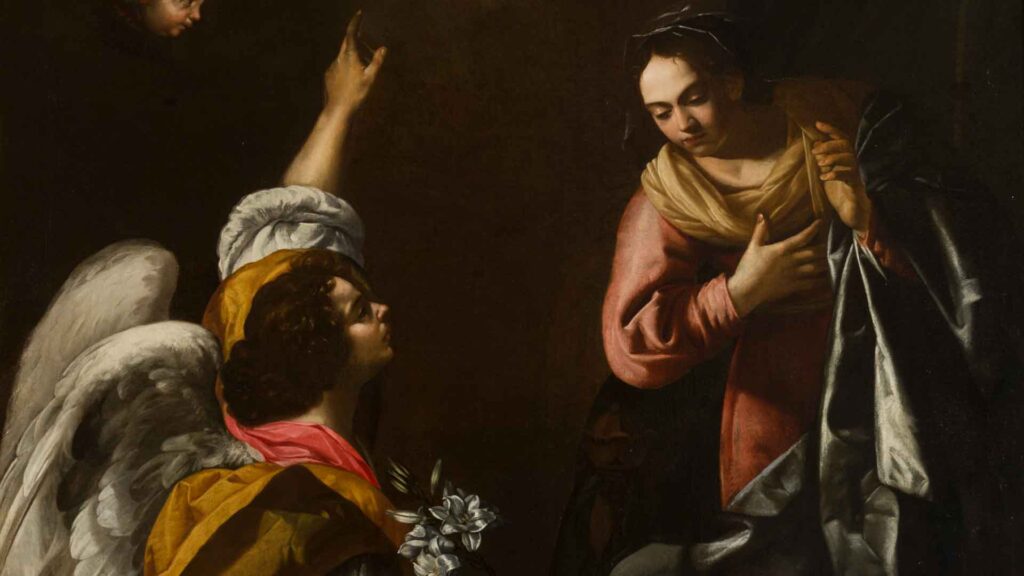
Artemisia Gentileschi. Annunciazione
The Annunciation by Artemisia Gentileschi (Rome, 1593 – Naples, after 31 January 1654), from the Museo e Real Bosco di Capodimonte in Naples, is the Capolavoro per Milano 2026.
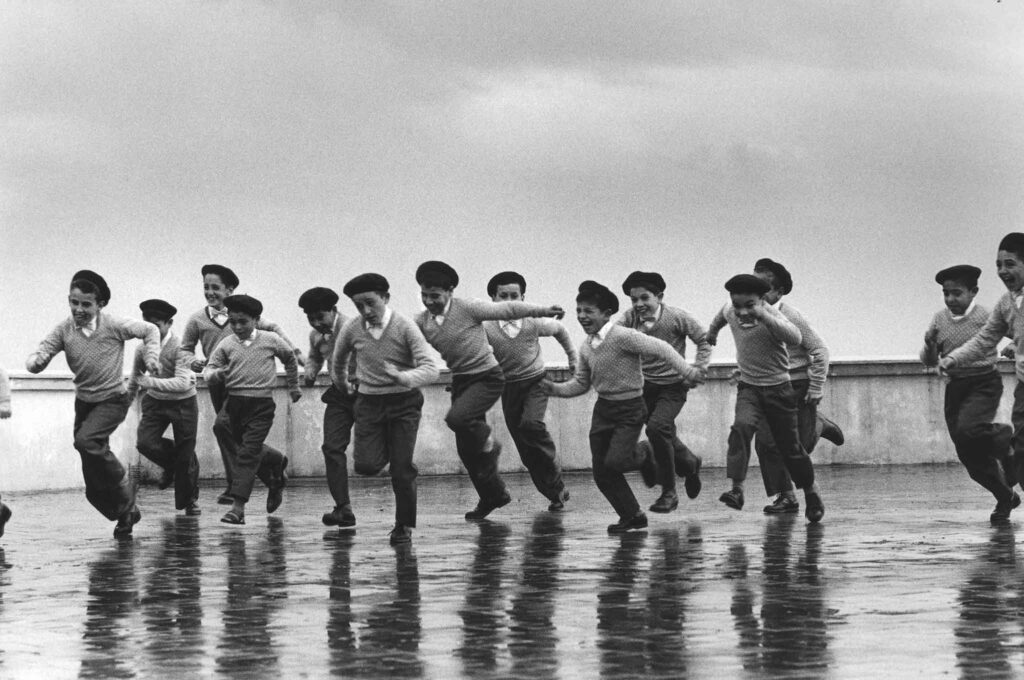
FEDERICO GAROLLA. Gente d’Italia. Fotografie 1949-1968
The Museo Diocesano presents an exhibition devoted to Federico Garolla (Naples, 1925 – Milan, 2012), one of the most important photographers in Italian history of the 1950s and 1960s.
Visit the Museo Diocesano Carlo Maria Martini
Admission
Full price: €10.00
Reduced and groups: €8.00
Schools and parish groups: €4.00
Families: €25
Opening hours
Tuesday – Sunday:
10:00 – 18:00
Ticket office closes:
17:30
Find us
Piazza Sant’Eustorgio 3
Milan
Accessibility
All museum spaces are accessible to visitors with reduced mobility.