Exhibition
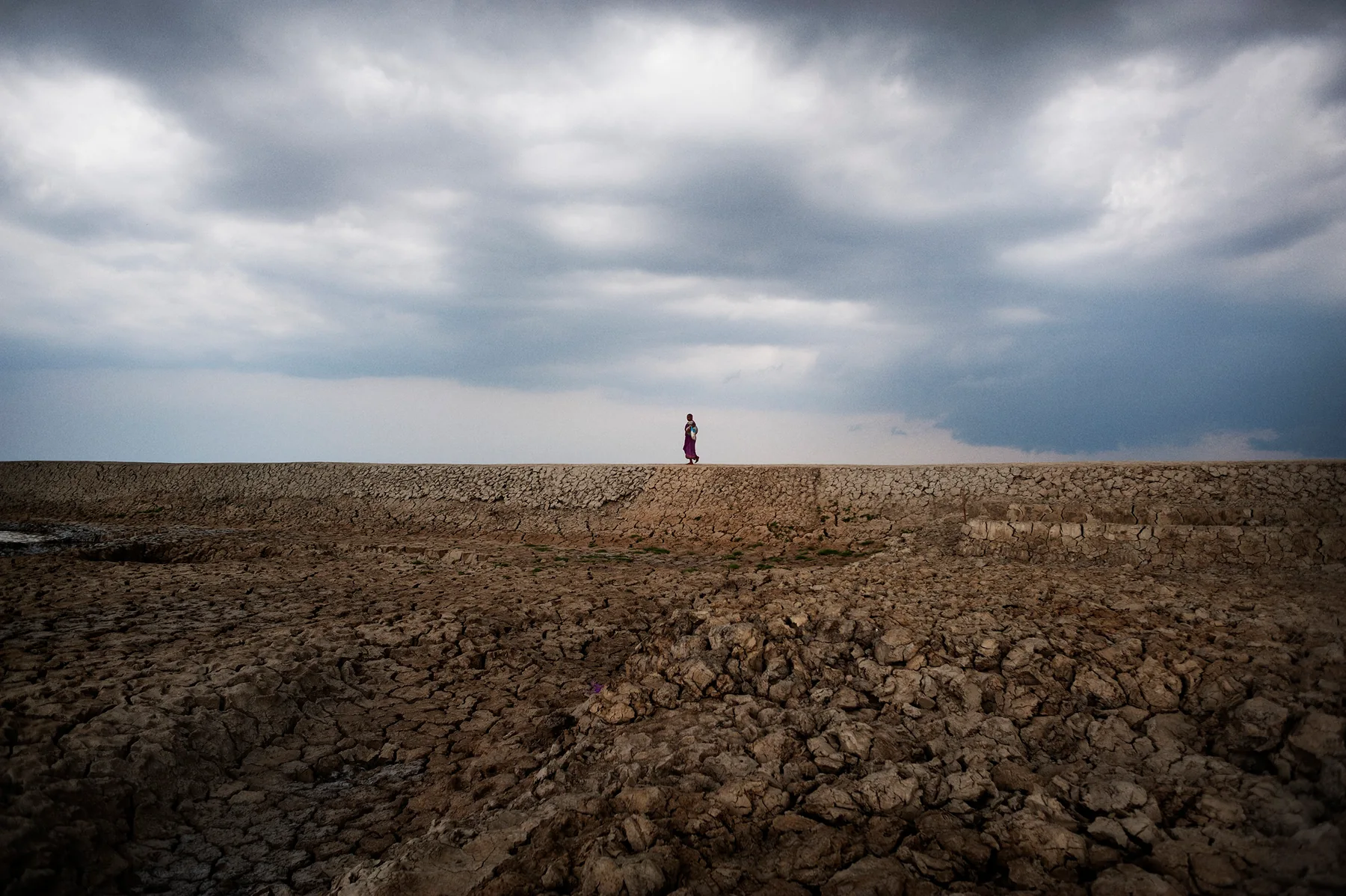
The Museo Diocesano presents the photography exhibition Alessandro Grassani. Climate emergency. A journey to the edge of the world, which, through some forty photographs arranged in four chapters – Mongolia, Kenya, Bangladesh, Haiti – focuses on the climate migration that shapes life in rural and urban areas across the planet, affecting the fate of their inhabitants, forced into displacement by unsustainable environmental conditions.
The photographs on display thus become a direct and vital testimony to the age in which we live, and they stir unease, raising questions about the contradictions of our present time. They show us people pursuing the mirage of a better life: an illusion that shatters dramatically on their arrival in the great urban centres. Here these men come up against a harsh and hostile reality, in which the logic of profit pushes them ever further to the margins of society, forcing them to pour into shanty towns and the most rundown areas on the outskirts of cities.
In his recent apostolic exhortation Laudate Deum (2014), Pope Francis expressed his concern over these issues. As early as 2015, in his encyclical letter Laudato si’ he emphasised that “the climate is a common good, belonging to all and meant for all”, and denounced a widespread indifference in the face of tragedies such as those recounted in these images. The pontiff observes how, behind the energy crisis, there lies a social and human crisis that we cannot fail to see: “we cannot delude ourselves into thinking that we can heal our relationship with nature and the environment without healing all fundamental human relationships”. Pope Francis points to the “experience of a conversion, a transformation of the heart” as the way to care for our common home.
Alessandro Grassani’s photographs thus urge us to open our eyes to facts too often forgotten and, above all, they call on the sense of responsibility of each one of us, asking us not to remain indifferent.