Pietà
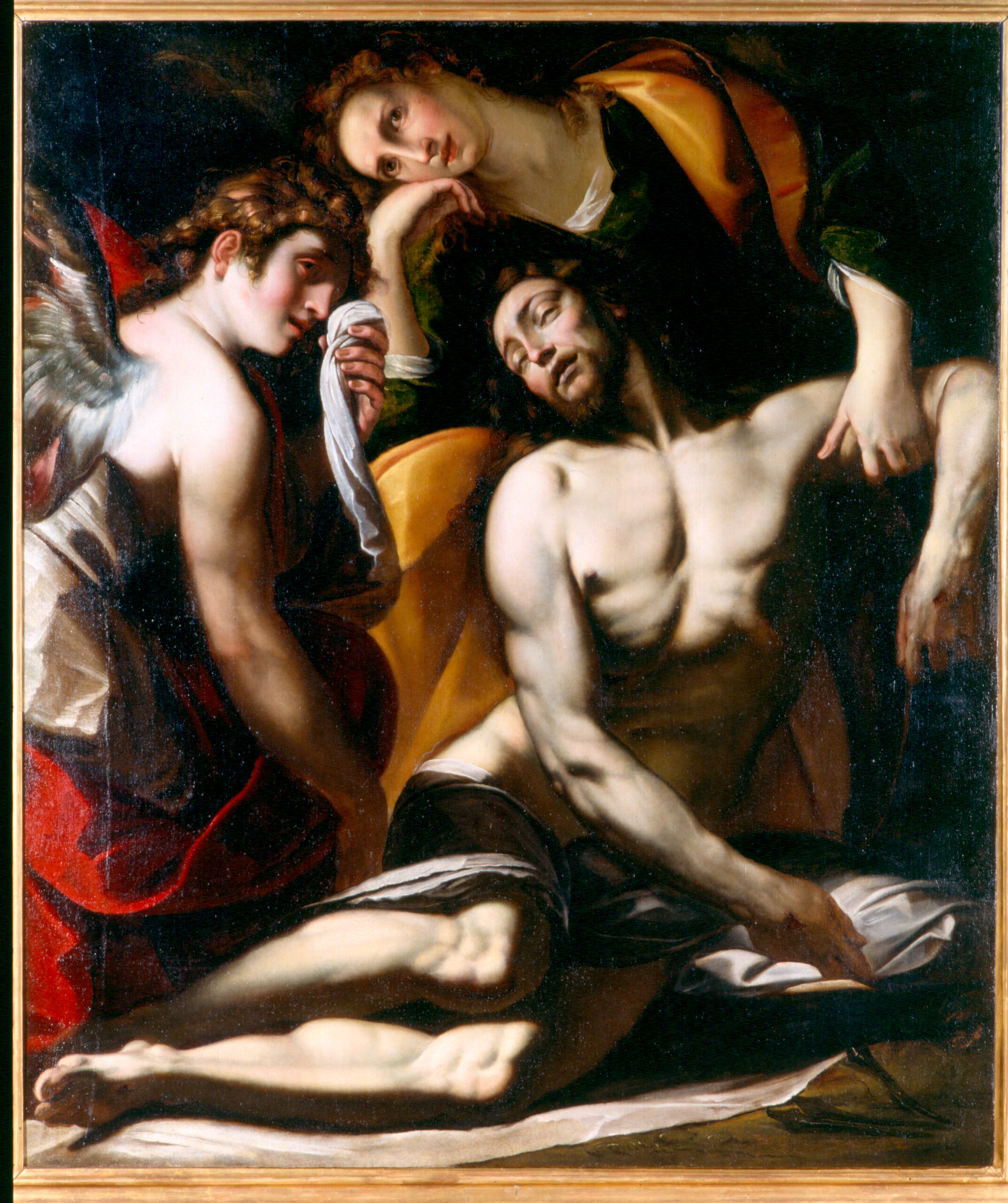
The original provenance of the painting is not known. It came to the Museum from the Archbishop’s Picture Gallery and can be traced back for stylistic reasons to around the 1620s, in the late period of the artist considered among the protagonists of Lombard Baroque. The virtuosic ostentation of the anatomy of the figure of Christ, also accentuated by the supernatural dimension, is one of the characteristics of this phase of the painter: the soft pathos of the body of Christ reveals influences from Rubens’ painting, as does the chromatic range. Procaccini promotes himself in his interpretation of the theme of the spectator’s emotional involvement according to the dictates of the Council of Trent, which insists on the themes of the Passion of Christ, and the desire to show the faithful Christ as a model icon of suffering and holiness.
Audio
Artwork details
- Artist:
- Giulio Cesare Procaccini (Bologna 1574 - Milano 1625)
- Title:
- Pietà
- Date:
- c. 1620
- Medium and technique:
- oil on canvas
- Dimensions:
- 147,5 × 126,5 cm
- Inventory:
- MD 2001.048.037
- Location
-
Location: Works from the Diocese, first floor
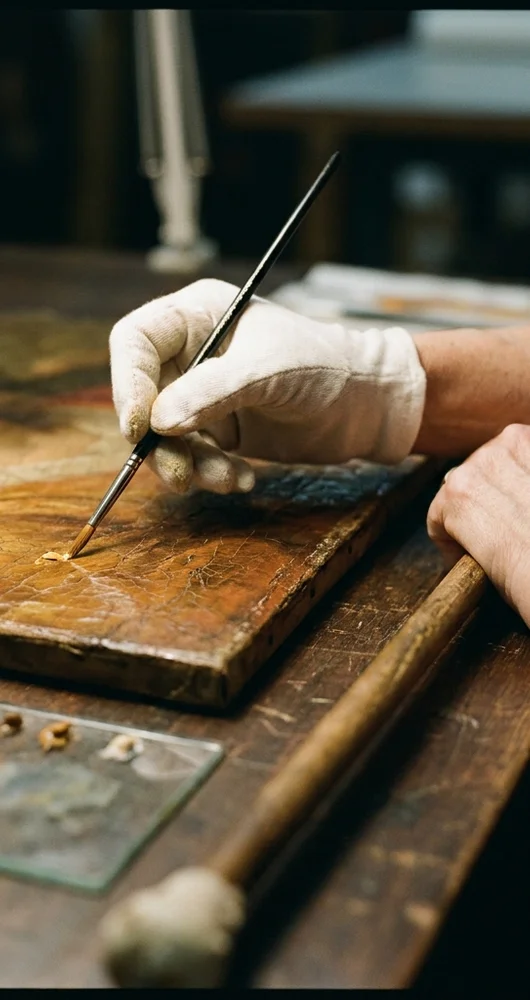
The core of the Museum’s collection consists of works from numerous churches across the vast territory of the Archdiocese of Milan, an area of great cultural and artistic richness. Before the Museum opened in 2001, surveys and site visits throughout the diocese uncovered treasures that had, in some cases, previously been unknown, and initiated a programme to recover, restore and promote this artistic heritage. The selected works included panel and canvas paintings, wooden and marble sculptures, and liturgical furnishings. These were not objects of local devotion and mostly had conservation problems, and were therefore restored, or were at risk of theft. The works are arranged chronologically, beginning on the ground floor and continuing along the central corridor on the first floor; some are displayed in the hypogeum. This core is complemented by other works that have entered the Diocesan Museum’s permanent collection over the years through loans, donations and bequests.