Saint Catherine of Alexandria
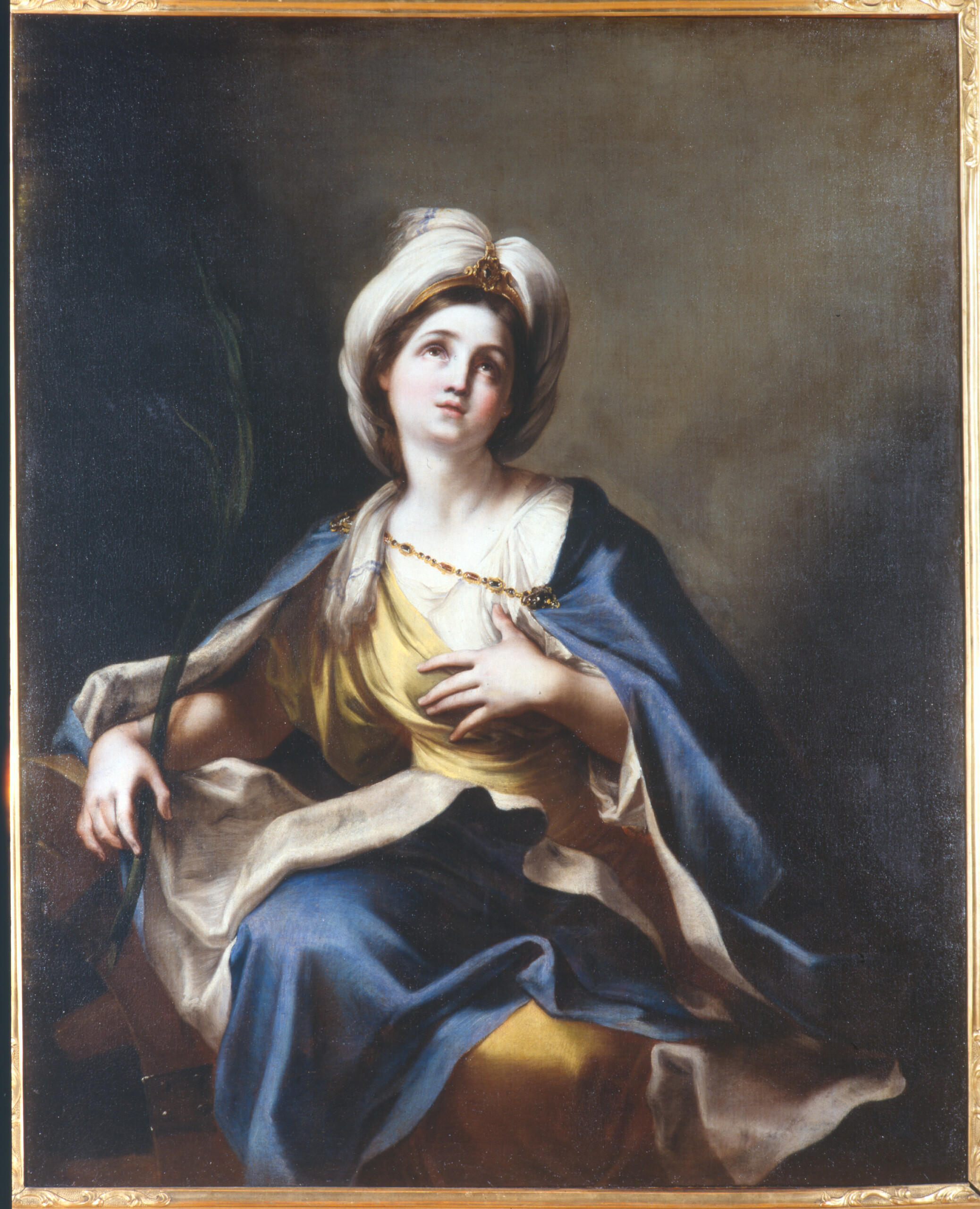
Depicted half-length and on a dark background, Saint Catherine is immersed in an atmosphere almost suspended between the sacred and the profane: Legnanino, a representative figure of seventeenth-century Lombard painting, now open to new research, depicts her as an oriental princess. The wheel, symbol of martyrdom, is in the background, while the artist’s attention focuses on the description of the elegant robes, the whimsical turban headdress and the precious brooch. The soft rendering of the complexion, the type of drapery, the refined chromatic contrast between the dress and the cloak, the careful definition of the light are characteristic features of the painter’s production who rereads Correggio’s lesson in the light of an eighteenth-century sensitivity. The work dates back to the last decade of the seventeenth century and is in storage at the Intesa Sanpaolo Diocesan Collection Museum.
Audio
Artwork details
- Artist:
- Stefano Maria Legnani, detto il Legnanino (Milano 1661-1713)
- Title:
- Saint Catherine of Alexandria
- Date:
- c. 1690-1700
- Medium and technique:
- oil on canvas
- Dimensions:
- 160 × 130 cm
- Inventory:
- MD 2001.086.001
- Location
-
Location: Works from the Diocese, first floor
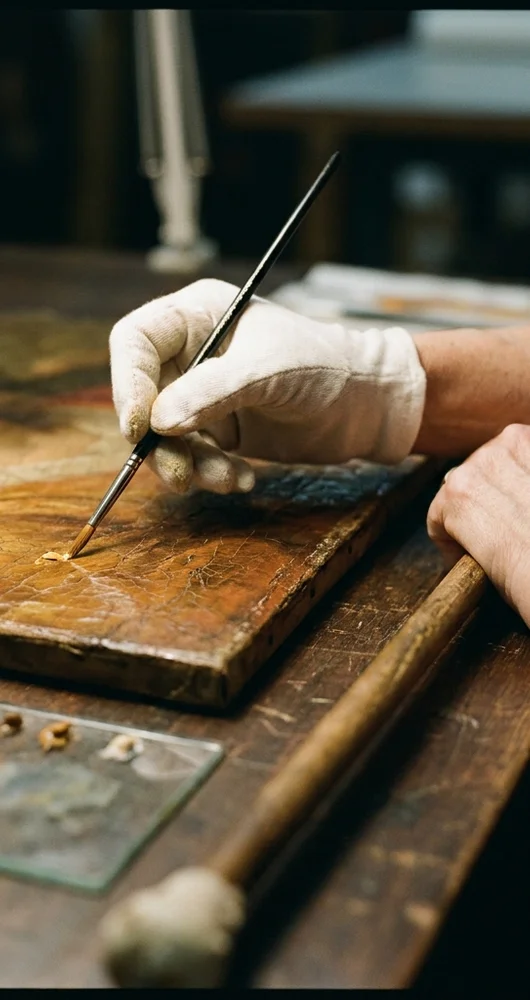
The core of the Museum’s collection consists of works from numerous churches across the vast territory of the Archdiocese of Milan, an area of great cultural and artistic richness. Before the Museum opened in 2001, surveys and site visits throughout the diocese uncovered treasures that had, in some cases, previously been unknown, and initiated a programme to recover, restore and promote this artistic heritage. The selected works included panel and canvas paintings, wooden and marble sculptures, and liturgical furnishings. These were not objects of local devotion and mostly had conservation problems, and were therefore restored, or were at risk of theft. The works are arranged chronologically, beginning on the ground floor and continuing along the central corridor on the first floor; some are displayed in the hypogeum. This core is complemented by other works that have entered the Diocesan Museum’s permanent collection over the years through loans, donations and bequests.